
Finding Your Life's Purpose: The Archaeological Dig
What do Steve Jobs, Julia Child, and Mahatma Gandhi have in common? They all discovered their true calling deep into their initial careers. Learn the archaeological framework for uncovering your life's purpose.

Martin Michaelsen
Jan 27, 2026

What do Steve Jobs, Julia Child, Mahatma Gandhi, and Ray Charles all have in common? At some point, deep into their initial paths in life, they drastically changed the course of their careers after discovering what they were truly meant to do.
I’m a big fan of “decision razors”—simple heuristics or simplified rules that help you decide swiftly. The word decide comes from the Latin dēcīdere, which literally means “to cut off.” 1 This concept might be the “mother of all decision razors,” meaning the most overarching one.
If you have decided and found out what you were meant to do—what aligns with your skills, your path in life, and the highest leverage thing you can spend your professional time on—then you are able to cut away so much noise and so many adjacent possibilities. You are left with a singular path. Such a realization is extremely powerful.
From Obligation to Autonomy
If we rewind a hundred years, not many people walked around thinking about their “life’s purpose.” For most, that was dictated to them. Institutions such as the church and the family profession determined your life’s work.
Charlestown Primitive Methodist Church, early 1900s - Photograph
The transition from a “society of obligation” (where roles were inherited) to a “society of autonomy” (where you must find your own leverage) is a well-documented historical shift. 2 We are no longer bound by these institutions. If you are lucky enough to be born into a culture where you are not forced into a family business or a religious role, you are left with the significant task of figuring out where the highest leverage for your life’s work lies. Today, however, the path to clarity is no longer clear.
To find that clarity, you must perform a bit of “archaeological digging” on yourself.
The Mastery Framework
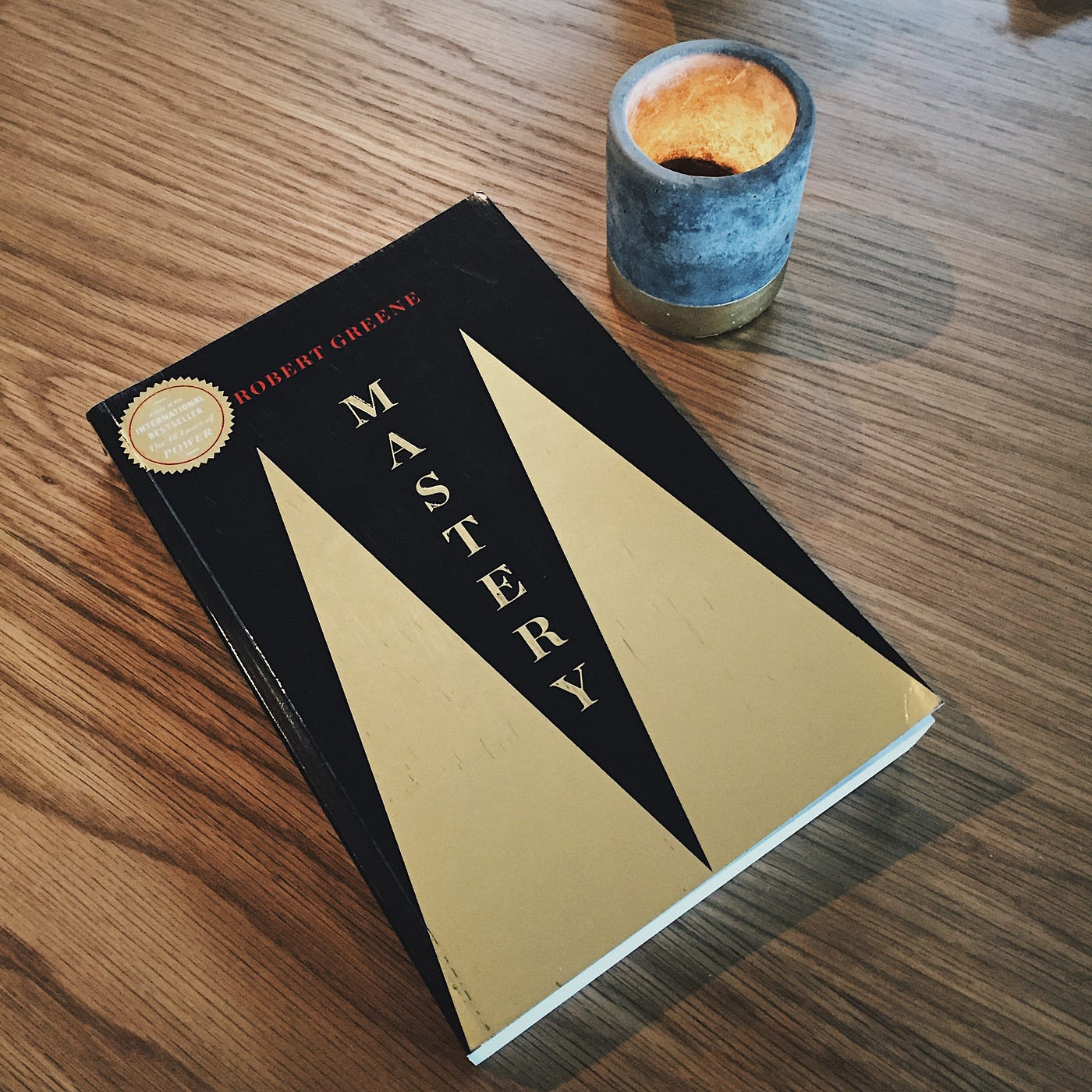
The following framework is laid out by Robert Greene in his best-selling book, Mastery. 3 He outlines the process of finding your life’s purpose—what you were meant to do with your time. Here is the heart of the technique so you can put it into practice today.
Step 1: Return to Your Origins
“The first step is always inward—reconnecting with those innate inclinations.” — Robert Greene
Look back at your earliest childhood memories and identify activities that sparked a sense of wonder, curiosity, and effortlessness. These moments represent your “primal inclinations,” appearing before society told you who you were or pushed you in directions that were not innate to your character. Reconnecting with these feelings is the essential starting point for identifying your Life’s Task.
To find these clues, you must be thorough. Ask your mother or parents what you were like as a child and what consistently captured your attention. Think deeply about the things you used to love, your early passions, and your natural interests. By isolating these memories, you can begin to identify your innate, unique voice and the specific path you were meant to follow.
Step 2: Avoid the False Path
“A false path in life is generally something we are lured into for the wrong reasons—money, fame, attention.” — Robert Greene
Beware of life paths you have chosen primarily to please others or those that are not 100% aligned with who you innately are. Often, we are lured away from our true nature by the desire for status, parental approval, or financial security. Following a path that does not resonate with your core will eventually lead to a lack of fulfillment and a waste of your natural talents.
You must be courageous enough to recognize when you are living for the wrong reasons. Clear away the external clutter by silencing the opinions of others and listening closely to your internal voice. Only by pruning away these false directions can you create the space necessary for your true purpose to flourish.
Step 3: Find Your Way Back
“No matter how far you have strayed, the way back is always there.” — Robert Greene
You are never too old or too far down a path to return to the things that originally made you feel alive, engaged, and passionate. Even if you have spent years in a field that feels wrong, the road back to your true calling is never closed. This journey often requires a return to the basics and the humility to start fresh in a direction that feels authentic.
Finding your way back may mean letting go of what externally seems like success in the pursuit of what you were meant to do for the rest of your life. Do not view your past as a waste; every single path you have been down provides you with unique skills and knowledge. These experiences serve as the fuel that will power your original passion once you finally commit to it.
Emphasize Progress Over Perfection
Don’t try to be a perfectionist about this process. The likelihood that you will find the perfect path right off the bat is slim. You are looking for a way to conduct “tiny experiments” and will likely need to push through some resistance in the effort of finding your way back to your original path.
The outcome could seem like a “hodgepodge” collection of strengths, skills, and interests that you’ve deserted or forgotten about—but these are the key ingredients to what you should be doing.
Good luck on your path.
Footnotes
-
The Latin root caedere (to cut) is also found in words like incision, homicide, and scissors. Deciding is quite literally the act of killing off other options. ↩
-
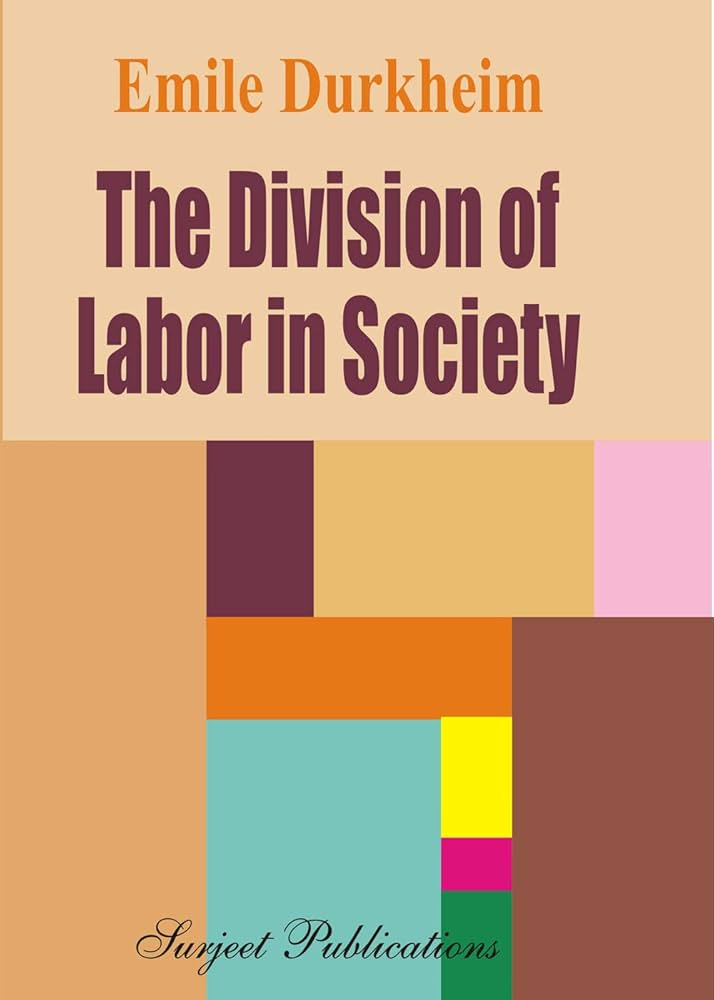
Sociologists like Émile Durkheim explored this in The Division of Labour in Society, noting the shift from “mechanical solidarity” (traditional, collective) to “organic solidarity” (modern, individualistic). ↩
-
Greene, R. (2012). Mastery. Penguin Books. Greene argues that mastery is not a function of genius but of following one’s “Life’s Task.” ↩